
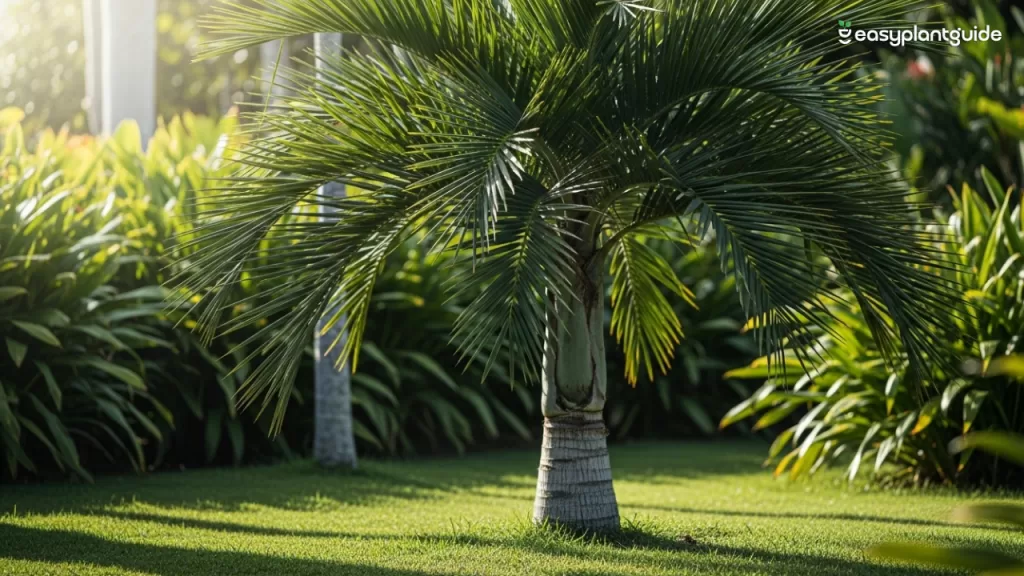
If you’re looking for a tropical tree that can instantly transform any outdoor space, the Wodyetia foxtail palm is one of the top choices you can make. Known for its fast growth, lush, feathery fronds, and low-maintenance nature, this palm has become a favorite among homeowners, landscapers, and commercial property designers alike. Its elegant, tropical appearance adds instant charm and a resort-like feel to gardens, driveways, and poolside areas.
In this article, we’ll cover everything you need to know about the Wodyetia foxtail palm, from care and planting tips to growth habits, landscaping ideas, and common issues to watch for. Written in a friendly and approachable style, this guide will help you make the most of this beautiful palm and turn your outdoor space into a vibrant, inviting paradise.
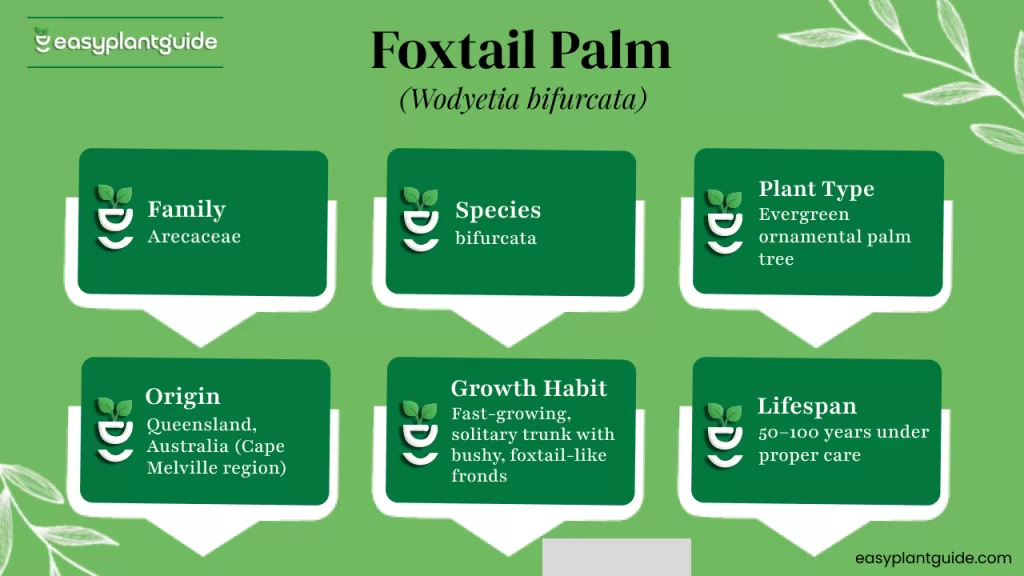
What Is the Wodyetia Foxtail Palm?
The Wodyetia foxtail palm (scientific name: Wodyetia bifurcata) is a stunning, self-cleaning, and fast-growing palm native to the rugged, rocky landscapes of northeastern Australia. Its name comes from its signature fronds—long, bushy, and perfectly arching—resembling the tail of a fox. With its smooth grey trunk and lush green crown, the foxtail palm stands out as the “supermodel” of palm trees. It’s tall, elegant, and effortlessly stylish, making it a favorite choice for creating a tropical, resort-like feel in any landscape.
Why Is the Foxtail Palm So Popular?
The foxtail palm has gained massive popularity over the years for several reasons:
- It’s surprisingly low maintenance. Once established, it needs minimal care, making it perfect for busy homeowners.
- It grows fast. You don’t have to wait years to see results—this palm quickly becomes tall and impressive.
- It looks exotic and premium. Its fluffy fronds and smooth trunk give any space a resort-like, high-end feel.
- It fits both small and large landscapes. Whether planted alone or in groups, it adapts beautifully to different garden sizes.
- It stays green all year. The evergreen foliage keeps your outdoor space vibrant no matter the season.
Key Features of Wodyetia Foxtail Palm
Here’s what makes the Wodyetia foxtail palm truly unique and a favorite among gardeners and landscapers.
1. Smooth, Grey Trunk
The foxtail palm has a sleek, smooth grey trunk that adds elegance to any landscape. Its uniform, clean appearance makes it look modern and well-maintained, giving your garden a polished and sophisticated feel.
2. Feather-Like Fronds
Its lush, bushy fronds are long and arch gracefully, resembling a fox’s tail. These feather-like leaves create a soft, tropical canopy, providing shade and a striking visual appeal all year round.
3. Self-Cleaning Nature
One of the most convenient features is its self-cleaning habit. Old or dying fronds naturally fall off, reducing the need for constant pruning and keeping the palm looking neat without extra effort.
4. Medium Water Needs
The foxtail palm is moderately drought-tolerant once established. It requires regular watering when young but needs only occasional watering as it matures, making it easy to care for in most climates.
5. Excellent Tolerance to Sunlight
This palm thrives in full sun, which encourages faster growth and fuller fronds. Its ability to withstand intense sunlight makes it perfect for tropical, subtropical, and even coastal garden settings.
Growth Requirements of Foxtail Palm
Soil Needs
Foxtail palms thrive in well-drained soil that allows their roots to grow freely. They prefer slightly sandy mixes enriched with organic matter, which helps provide essential nutrients. A neutral pH level and well-aerated conditions are ideal, as proper drainage is crucial—waterlogged soil can easily lead to root rot.
Light Requirements
This palm absolutely loves sunlight. Full sun exposure encourages faster growth and fuller, thicker fronds, giving the tree its signature lush appearance. Young foxtail palms, however, can tolerate partial shade during their first year as they gradually adapt to more intense light.
Watering Needs
Although drought-tolerant once mature, the foxtail palm prefers consistent moderate watering. Young plants benefit from deep watering about twice a week to establish strong roots, while established palms only need watering once a week. It’s important to avoid waterlogging, use mulch to retain soil moisture, and allow the top layer of soil to dry slightly between watering sessions.
Landscaping Ideas Using Foxtail Palms
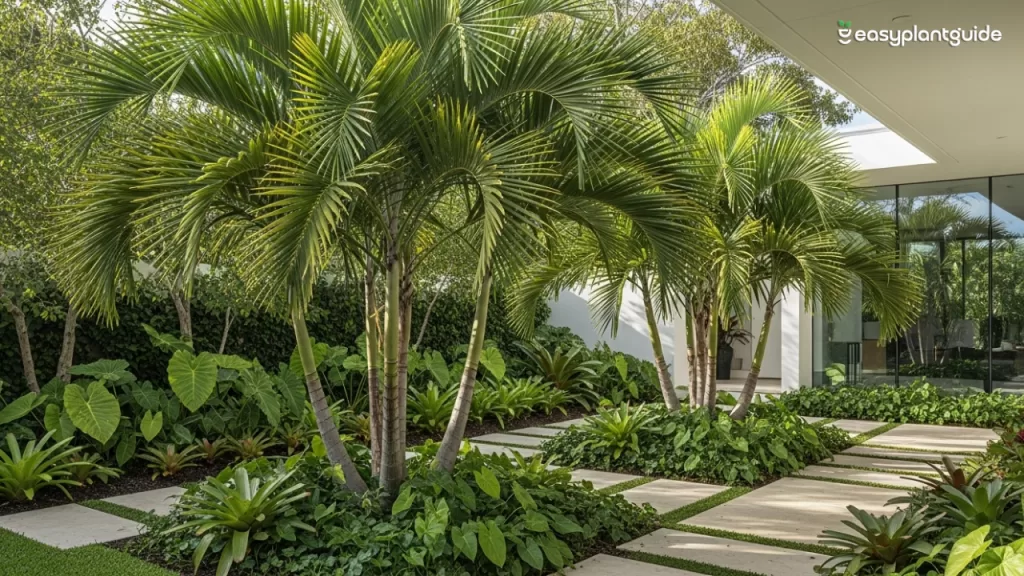
The Wodyetia foxtail palm looks beautiful in almost any setting. Here’s where it shines the most:
- Along driveways
- Poolside landscapes
- Modern minimalistic gardens
- Resort-style outdoor setups
- Tropical-themed designs
How to Plant a Foxtail Palm Properly
Planting a Wodyetia foxtail palm is simple if you follow the right steps. Start by choosing a sunny location with well-drained soil, as this palm thrives in full sunlight. Dig a hole that is about twice the width of the root ball to give the roots plenty of space to spread. Adding some compost or organic matter helps provide essential nutrients and encourages healthy growth.
Next, carefully place the palm upright in the hole and firm the soil around the base to ensure stability. Water the newly planted palm thoroughly and continue regular watering for the first three to four weeks to help it establish strong roots. Think of planting a Wodyetia foxtail palm like settling a child into a new home—gentle, gradual care will ensure it grows tall, healthy, and picture-perfect.
Fertilizing the Foxtail Palm
The Wodyetia foxtail palm responds exceptionally well to regular fertilization, which helps maintain its lush, vibrant fronds. It thrives when provided with nutrients rich in nitrogen, potassium, and magnesium, along with slow-release micronutrients that support steady growth. Palm-specific fertilizer blends are ideal, as they are formulated to meet the unique nutritional needs of this tropical tree.
For best results, apply fertilizer to your Wodyetia foxtail palm three to four times a year, ideally during the growing season. This routine encourages thicker, greener fronds, stronger roots, and overall healthier growth, keeping your palm looking elegant and full throughout the year.
Common Problems and How to Fix Them
Although hardy, the Wodyetia foxtail palm can sometimes face a few common issues that affect its appearance and growth. Being aware of these problems helps you take timely action to keep your palm healthy.
1. Yellowing Leaves
Yellowing leaves on a Wodyetia foxtail palm are usually a sign of nutrient deficiency, particularly a lack of magnesium or potassium. To fix this, apply a high-quality palm fertilizer or magnesium supplement. Regular fertilization helps restore the vibrant green color and keeps the fronds healthy.
2. Browning Tips
Browning tips often occur due to overwatering or poor soil drainage. For a Wodyetia foxtail palm, it’s important to check soil moisture levels and reduce watering if necessary. Ensuring well-drained soil and using mulch to control moisture can prevent further browning.
3. Stunted Growth
Stunted growth in a Wodyetia foxtail palm may result from cold damage or compacted soil that restricts root development. Aerating the soil around the palm and protecting it from frost or extreme cold can encourage healthy, steady growth.
Temperature and Climate Tolerance
The Wodyetia foxtail palm is ideally suited for warm regions, thriving in tropical and subtropical climates. It can tolerate mild cold down to around 30°F (-1°C), but prolonged frost may damage its fronds. This palm handles coastal winds exceptionally well and grows best in humid conditions, making it perfect for gardens near the sea or in moist environments. If you live in a warm area, a Wodyetia foxtail palm will flourish and add a lush, tropical vibe to your outdoor space.
Foxtail Palm vs Other Popular Palms
| Feature | Wodyetia Foxtail Palm | Other Popular Palms |
|---|---|---|
| Size | More compact | Areca Palm is taller and bushier |
| Elegance | Sleek and elegant | Date Palm has a rougher, rugged look |
| Maintenance | Low-maintenance | Coconut Palm requires more care |
| Growth Rate | Fast-growing | Queen Palm grows slower |
| Appearance | Modern and stylish | Fan Palms look more traditional |
Pros and Cons of the Wodyetia Foxtail Palm
Pros
The Wodyetia foxtail palm offers several advantages that make it a favorite for landscapes and gardens. It grows quickly, giving your space a mature, tropical look in a relatively short time. Its luxurious appearance adds elegance to any setting, while its low-maintenance nature makes it easy for homeowners to care for. The palm is also drought-resistant once established and features a self-cleaning trunk, which keeps it looking neat without frequent pruning.
Cons
Despite its many benefits, the Wodyetia foxtail palm has some drawbacks to consider. It is sensitive to overwatering, which can lead to root problems, and it is not cold-hardy, making it unsuitable for very chilly climates. The palm needs ample space to spread its fronds properly, requires consistent sunlight to thrive, and can sometimes suffer from micronutrient deficiencies if not fertilized correctly.
Best Companion Plants for Foxtail Palm
If you want to create a stunning tropical landscape, pairing a Wodyetia foxtail palm with the right companion plants can make all the difference. These plants complement the palm’s lush, feathery fronds and add vibrant colors, textures, and depth to your garden:
- Crotons: Their colorful, variegated leaves contrast beautifully with the green fronds of the foxtail palm.
- Bird of Paradise: Adds striking, tropical flowers that enhance the exotic look of your palm.
- Hibiscus: Offers bold, bright blooms that brighten the garden year-round.
- Philodendrons: Large, glossy leaves provide a lush, jungle-like backdrop.
- Ti Plants: Their deep red and purple foliage adds dramatic contrast and visual interest.
Where to Use Foxtail Palms in Home Gardens
The Wodyetia foxtail palm is incredibly versatile and can enhance various areas of your home garden. Planting it in the front yard creates a grand, welcoming entrance, while placing it around pools instantly gives your outdoor space a luxurious, resort-like feel. Its elegant fronds make it an eye-catching centerpiece that elevates the overall aesthetic of any garden.
For smaller spaces, the Wodyetia foxtail palm can also be grown in large pots on patios or terraces, providing a tropical vibe without taking up too much ground space. Planting multiple palms along walkways adds symmetry and structure, and grouping them in clusters can create a lush, forest-like atmosphere that brings depth and visual interest to your garden.
Conclusion
The Wodyetia foxtail palm is undoubtedly one of the most rewarding and versatile landscaping trees you can plant. Its feathery, bushy fronds, fast growth, and low-maintenance nature make it a top choice for gardeners of all experience levels. This palm not only adds height and elegance to a space but also creates a tropical, resort-like atmosphere that can instantly elevate the look of any garden or outdoor area.
Whether you’re aiming to design a lush tropical paradise, frame a poolside retreat, or simply introduce a stylish centerpiece in your yard, the Wodyetia foxtail palm delivers consistent beauty, strength, and resilience throughout the year. With proper care, it can transform ordinary landscapes into vibrant, inviting spaces that leave a lasting impression on visitors while requiring minimal upkeep.
Explore more plant blogs and grow your green journey with us.